
Which Treatment Is Best for Dark Knuckles?
By Jamal Emporium editorial team · Published 4 July 2026 · Updated 4 July 2026
Can dark knuckles be completely removed?
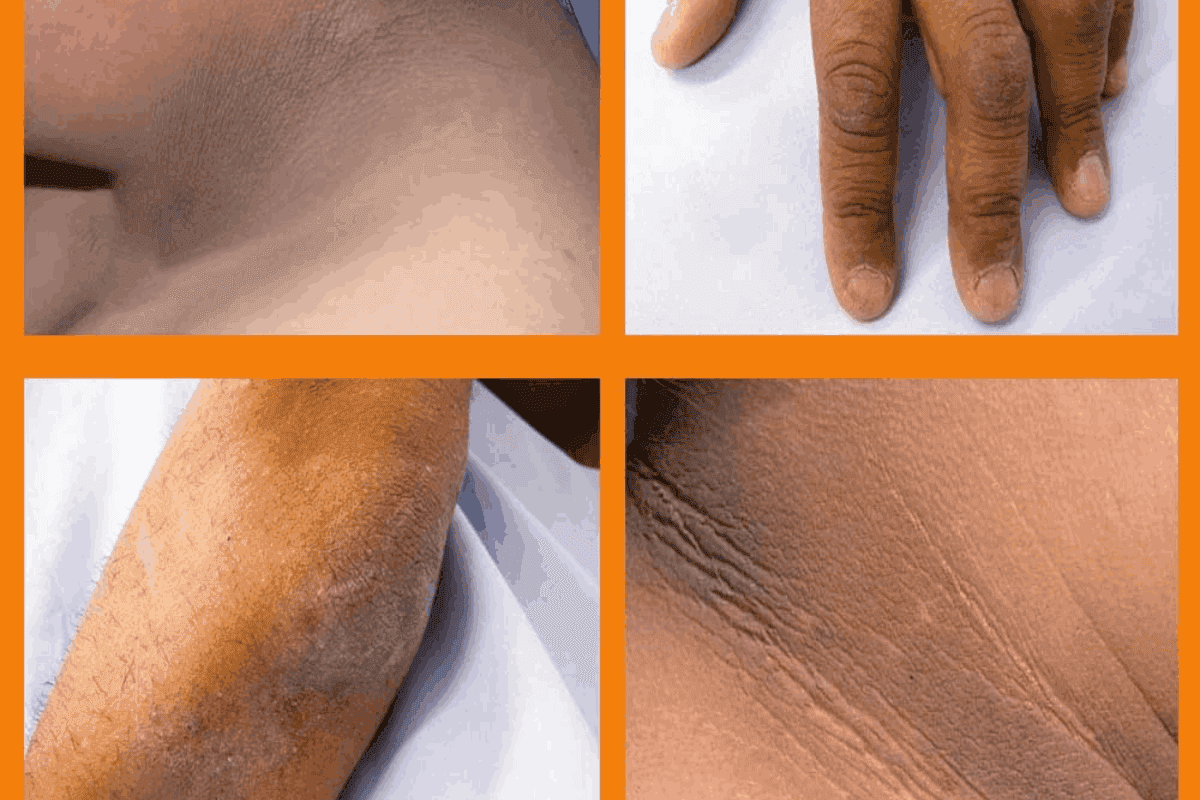
Introduction
Dark knuckles have a way of showing up uninvited — quietly deepening in tone until one day you notice them in every photo, every handshake, every moment your hands are on display. You're not imagining it, and you're definitely not alone. Dark knuckles are one of the most common (and most misunderstood) skin concerns, often lumped together with darkened armpits and a shadowy neck. The good news? Once you understand why it's happening, treating it becomes far less of a mystery and far more of a plan.
Quick Answer
If you want the short version: dark knuckles are most often caused by a build-up of melanin triggered by friction, dryness, or an underlying skin condition called acanthosis nigricans. The most effective treatments combine gentle exfoliation, proven skin-brightening ingredients (like niacinamide, alpha arbutin, and licorice extract), consistent sun protection, and patience — real results take weeks, not days. A targeted brightening serum, used both day and night, tends to outperform random home remedies because it delivers active ingredients directly and consistently.
What Are the Different Causes of Dark Knuckles, Armpits, and Dark Neck?
Before treating anything, it helps to know what you're actually dealing with. Dark patches on knuckles, armpits, and the neck usually share overlapping causes:
Friction and repeated pressure — knuckles take a beating from typing, gripping, and daily wear, which can trigger extra melanin production as a protective response.
Dead skin cell buildup — thicker, drier skin in these areas can look darker simply because it doesn't reflect light or shed cells as efficiently.
Hormonal changes — pregnancy, PCOS, and thyroid imbalances can all deepen pigmentation in skin folds and joints.
Sun exposure — UV rays stimulate melanin production, and knuckles are rarely protected with sunscreen.
Friction from clothing or accessories — tight rings, watches, or repeated rubbing can darken the skin over time.
But here's the part most articles gloss over: acanthosis nigricans is, by far, the major underlying cause of dark knuckles, armpits, and neck in the majority of cases. This condition causes the skin to thicken and darken, usually in body folds and joints, and it's frequently linked to insulin resistance, obesity, or hormonal disorders. If you're noticing darkness in more than one of these areas at once — knuckles and neck and armpits — acanthosis nigricans should be at the top of your suspect list, not an afterthought.
Signs That Show a Serious Health Issue
Most dark knuckles are cosmetic and harmless, but certain signs suggest it's time to see a doctor rather than reach for a serum:
Rapid darkening over a short period of time
Thickened, velvety, or leathery texture to the skin
Darkening spreading to multiple areas simultaneously (neck, armpits, groin, knuckles)
Accompanying symptoms like unexplained weight gain, excessive thirst, or fatigue
Skin tags appearing alongside the dark patches
These can be signals of insulin resistance, prediabetes, or a hormonal imbalance — worth flagging to a physician, since treating the root cause is often necessary before any topical treatment can fully work.
Different Approaches for the Treatment of Dark Knuckles
There isn't a single magic fix, but there is a hierarchy of what actually works.
Dermatologist-Recommended Ingredients
When it comes to fading dark knuckles safely and effectively, ingredient quality matters more than marketing promises. Look for formulas built around:
Niacinamide — reduces the transfer of pigment to skin cells and strengthens the skin barrier
Alpha arbutin — a gentler alternative to hydroquinone that inhibits melanin production
Licorice root extract — naturally brightens and calms inflammation-prone skin
Kojic acid — helps break down excess pigment over time
Vitamin C — antioxidant support that brightens while protecting against further UV damage
This is exactly the combination formulated into NigriGlow Serum from Jamal Emporium. It's built around a blend of niacinamide, alpha arbutin, licorice extract, and vitamin C — the same categories of ingredients dermatologists point to for pigmentation concerns — packed into a single, easy-to-apply daily serum. Rather than juggling five different products, NigriGlow Serum consolidates the brightening actives your knuckles actually need into one step, which is a big part of why it's become a go-to choice for people tackling dark knuckles, underarms, and neck pigmentation together. You can find it at www.jamalemporium.com.
Natural Remedies
For those who want to complement their routine with natural ingredients, a few time-tested options include:
Lemon juice — mild natural exfoliant (use cautiously, as it can irritate sensitive skin)
Aloe vera — soothing and mildly brightening
Turmeric paste — anti-inflammatory with gentle skin-lightening properties
Coconut oil — deeply moisturizes to prevent the dryness that worsens dark patches
Baking soda scrub — gentle exfoliation to slough off dead, darkened skin
Natural remedies can support a routine, but they typically work slower and less predictably than formulated actives — think of them as a supporting cast, not the lead.
Day Routine for Dark Knuckles
1. Cleanse hands with a gentle, non-stripping soap
2. Apply a pea-sized amount of your brightening serum to knuckles
3. Follow with a broad-spectrum SPF 30+ — yes, even on your hands
4. Reapply sunscreen if you're outdoors for extended periods
Night Routine for Dark Knuckles
1. Wash hands thoroughly to remove the day's grime
2. Gently exfoliate 2–3 times a week with a mild scrub
3. Apply your brightening serum generously to knuckles
4. Seal with a rich, hydrating hand cream to lock in actives overnight
Timeline for the Expectation of Results
Skin renewal takes time, and knuckles are no exception:
Weeks 1–2: Improved hydration, slightly smoother texture
Weeks 3–6: Early fading begins to show, especially with consistent use
Weeks 8–12: Noticeable brightening and more even tone
3+ months: Continued improvement with maintenance use
Consistency beats intensity every time — daily, gentle application wins over sporadic, aggressive treatments.
Things to Not Do
Don't scrub aggressively — this worsens inflammation and pigmentation
Don't skip sunscreen on your hands
Don't mix multiple active ingredients (like retinol and strong acids) without guidance
Don't ignore accompanying symptoms like skin tags or rapid spreading
Don't expect overnight results — pigmentation fades gradually
Things to Do
Do moisturize daily to prevent dryness-triggered darkening
Do wear sunscreen on hands, not just your face
Do stay consistent with your chosen brightening routine
Do patch-test any new product before full application
Do consult a dermatologist if darkening is sudden or widespread
How to Prevent Dark Knuckles Spread
Prevention is far easier than reversal:
Protect hands with gloves during repetitive or friction-heavy tasks
Apply sunscreen daily, rain or shine
Keep skin consistently moisturized to avoid compensatory pigmentation
Manage underlying conditions like insulin resistance through diet and medical guidance
Continue a maintenance skincare routine even after your knuckles have brightened
Conclusion
Dark knuckles are common, treatable, and rarely as stubborn as they first appear — as long as you understand the root cause and stay consistent with the right ingredients. While acanthosis nigricans is often the hidden driver behind darkened knuckles, armpits, and neck, a well-formulated brightening routine can make a real, visible difference over time. Pairing dermatologist-backed ingredients with sun protection and patience is what separates lasting results from wasted effort.
FAQs
Q: Can dark knuckles be completely removed? A: Significant fading is achievable for most people, though results vary based on the underlying cause and consistency of treatment.
Q: Is acanthosis nigricans dangerous? A: It's not dangerous on its own, but it can signal insulin resistance or hormonal imbalance, so it's worth mentioning to a doctor.
Q: How long before I see results from a brightening serum? A: Most people notice initial improvement within 3–6 weeks, with fuller results by 2–3 months of consistent use.
Q: Can I use the same serum on my armpits and neck? A: Yes — products formulated for pigmentation, like NigriGlow Serum, are typically safe to use across knuckles, underarms, and neck, provided you patch-test first.
Q: Do natural remedies work as well as serums? A: They can help support your routine, but formulated serums with concentrated actives generally deliver faster, more consistent results.
This article is for general skincare education. It does not replace an in-person diagnosis or treatment from a qualified clinician.
When to see a doctor
If your condition doesn’t improve with gentle, natural approaches, or you notice sudden changes, consult a dermatologist. Professional guidance ensures the right diagnosis and treatment plan for your skin.
Recommended Support
Our dermatologist-inspired serums can support your skin care routine. Choose the option that matches your concern.
Explore treatment optionsKey Takeaways
Can dark knuckles be completely removed?
Related Guides
- مضبوط جلد کے لیے بہترین اینٹی ایکنی سیریم: جمال ایمپوریئم کے بہترین حلGuide · 4 min read
- acne ke liye sahi skincare routine aur jamal emporium ke productsGuide · 4 min read
- Which Ointment Is Best for Diabetic Wound Healing?Guide · 7 min read